Last updated November 22, 2026
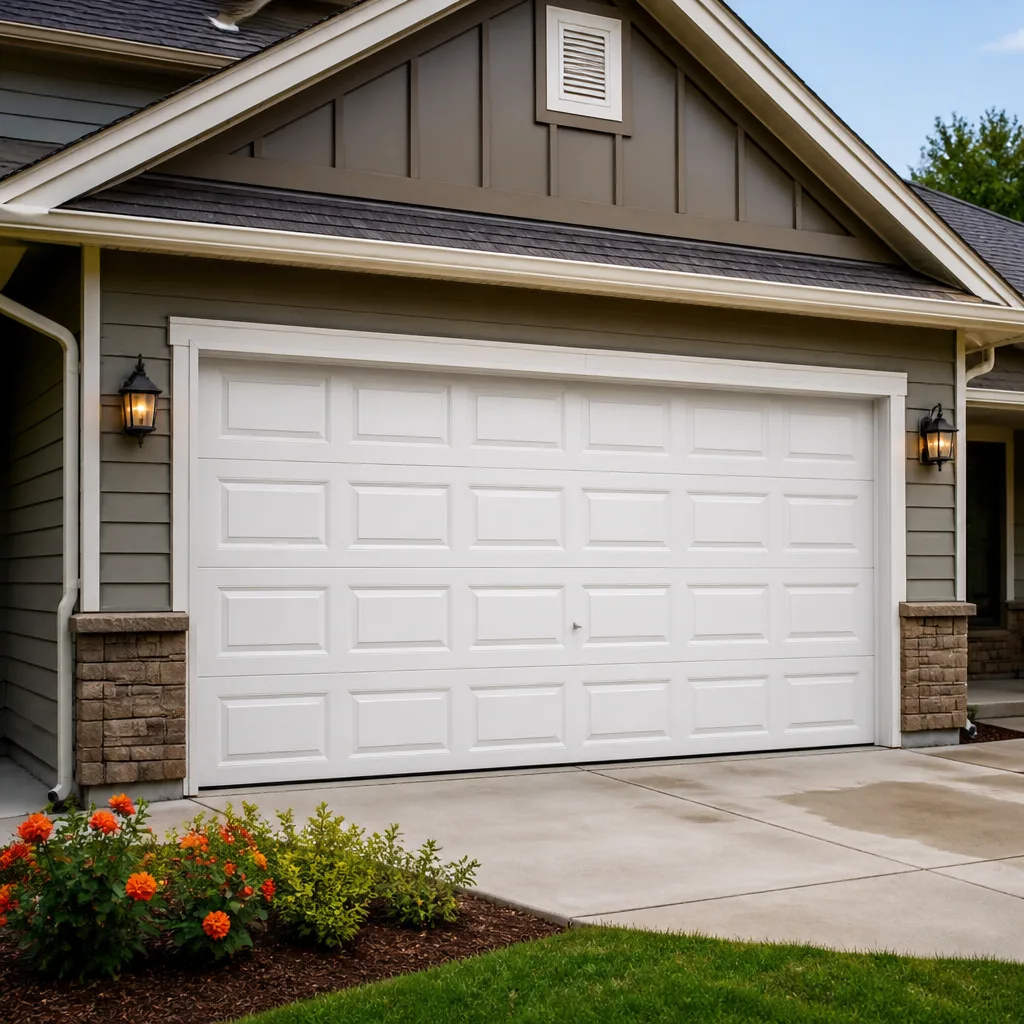 Raised-panel steel
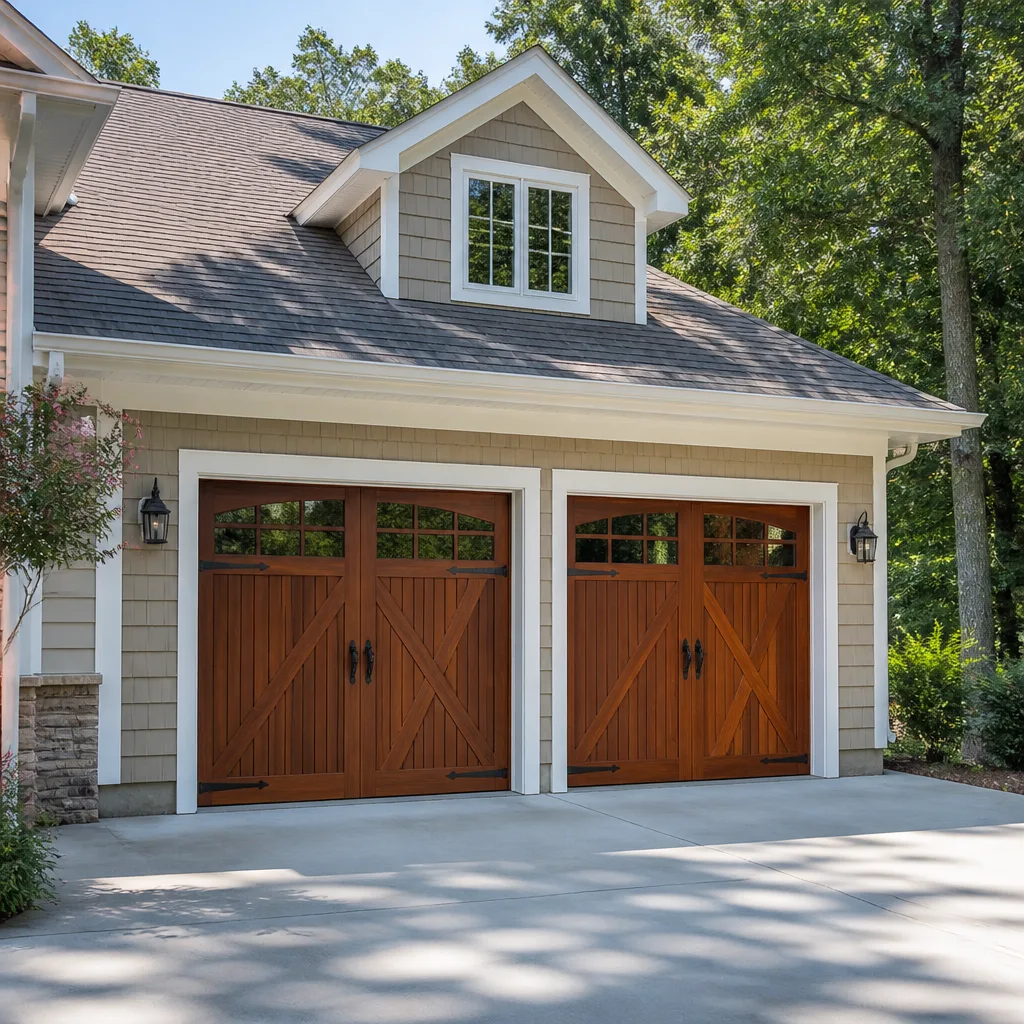 Carriage house
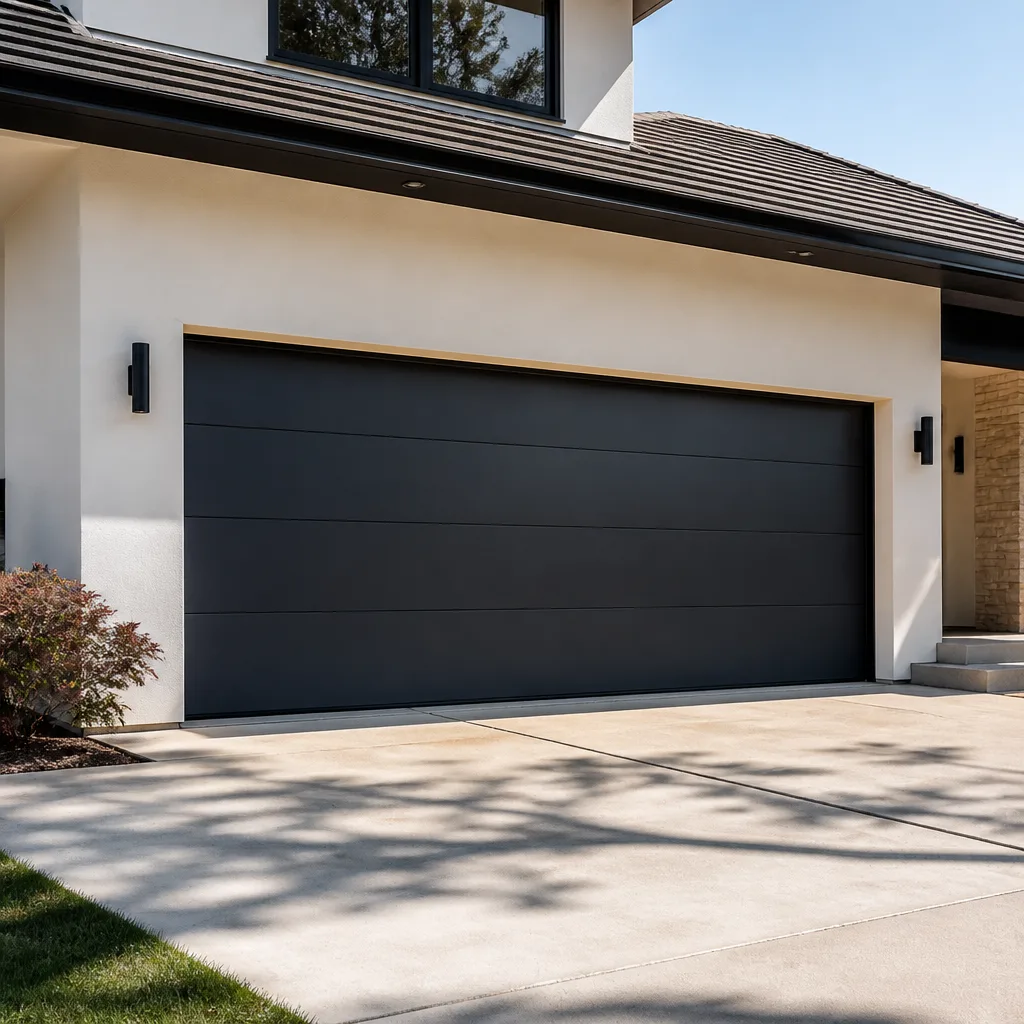 Modern flush
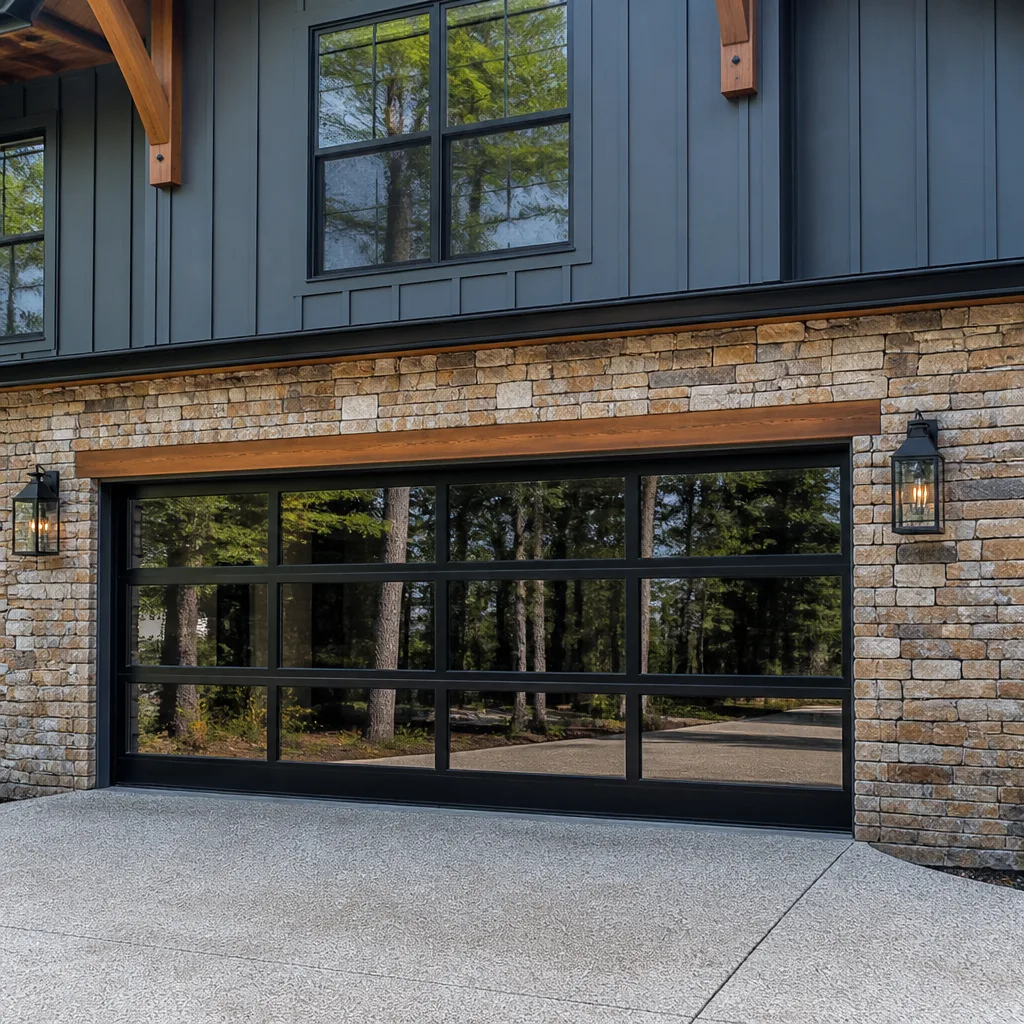 Full-view glass
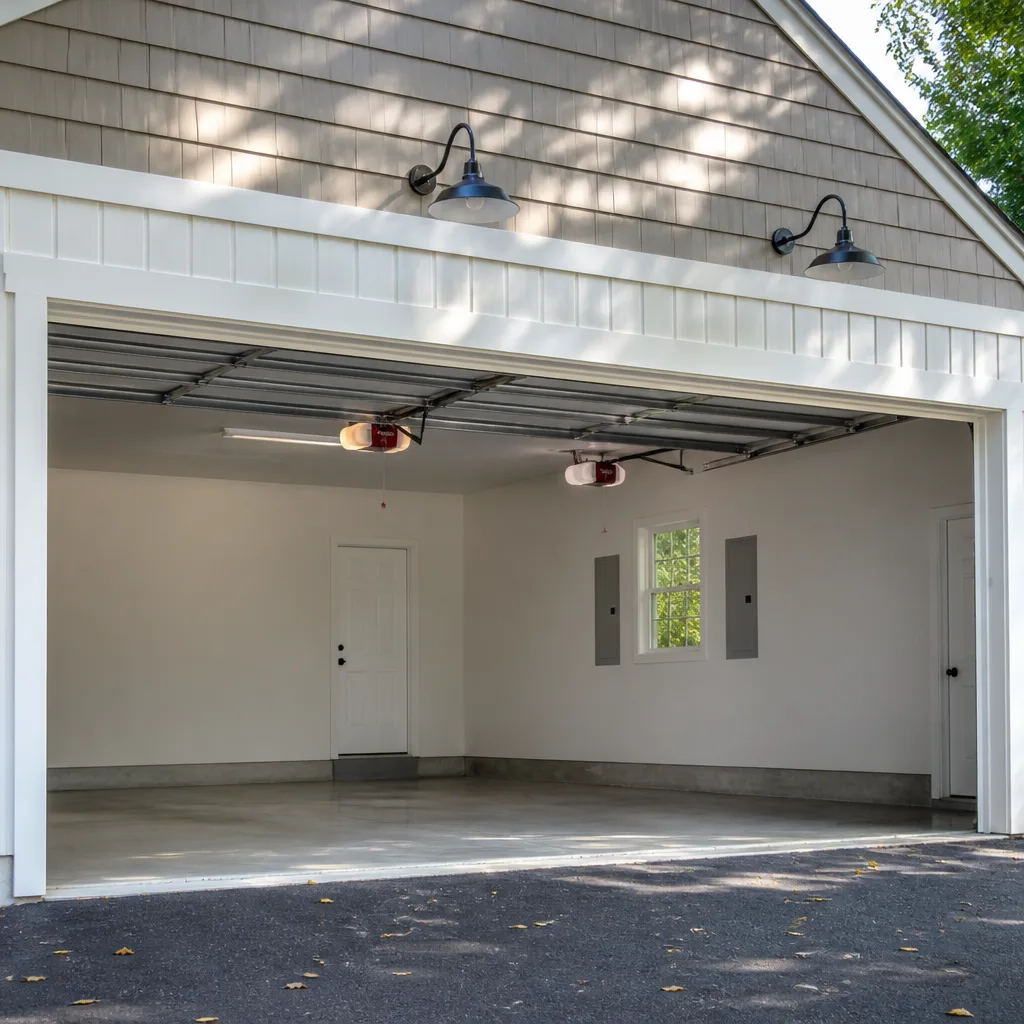 LiftMaster openers
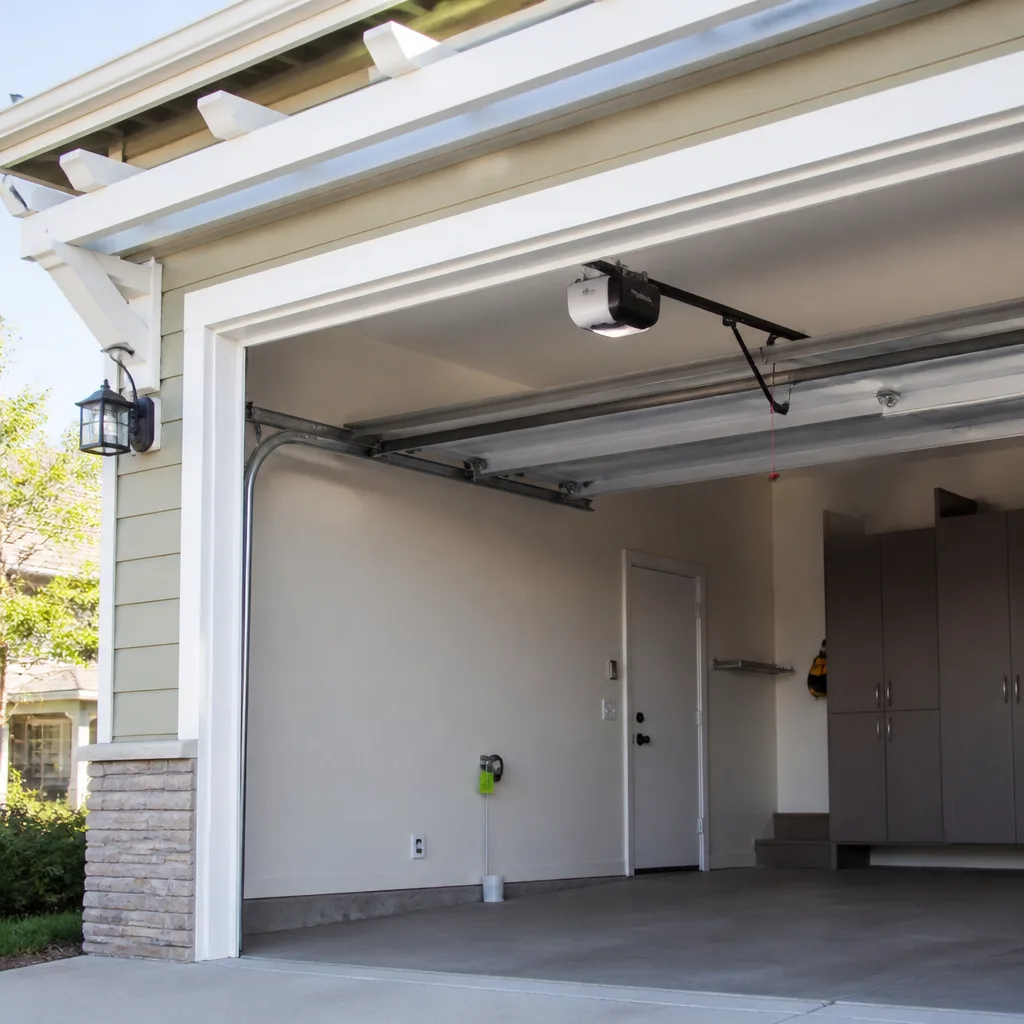 Chamberlain openers
Full 25-point door and opener safety check with every visit - springs, cables, rollers, tracks, and your LiftMaster or Chamberlain opener included
You get a price before we start. It does not change when the pro arrives.
Get your free estimateGarage Door Emergency Preparedness Guide for Spring Hill Homes
Most Spring Hill homeowners think they’ll know what to do when a garage door fails. Then it happens at 11 p.m., and they discover the car is locked inside by a door that suddenly weighs well over 200 pounds. The opener was never built to lift that weight alone, and the handle they’ve walked past a thousand times is the emergency release cord they’ve never once pulled. That gap between what we assume and what we’ve practiced is where real trouble lives. This guide covers the two emergencies that actually strand people here: a broken spring with no warning, and a power outage during hurricane season. You’ll learn how to operate the release safely, how to secure a compromised door from the inside, and what to do in the first 30 minutes before you call anyone. Some of it you can do yourself. Some of it you shouldn’t, and we’ll be clear about which is which.
Quick Answer
A garage door emergency in Spring Hill usually comes down to one of two failures: a snapped spring (which makes the door too heavy to lift safely by hand) or a dead opener during a storm outage. For a broken spring, leave the door closed, don’t force the opener, and call for a trained technician. For an opener failure, pull the emergency release only when the door is fully closed, then lift with care. Having a plan and a few hardware checks done before hurricane season is what keeps a bad night from becoming a dangerous one.
Styles & brands we work with
- Raised-panel steel
- Carriage house
- Modern flush
- Full-view glass
- LiftMaster openers
- Chamberlain openers
Table of Contents
- The First 30 Minutes of a Broken Spring Event
- How to Operate the Emergency Release Cord Safely
- Securing Your Garage Door During a Hurricane Watch
- Battery Backup vs. Manual Release: Powering Through an Outage
- Pre-Storm Hardware Checks for Spring Hill Wind Zones
- Why Brand Familiarity Matters in an Emergency
- When It’s Safe to Wait and When It Isn’t
- Common Mistakes to Avoid
The First 30 Minutes of a Broken Spring Event
When a torsion spring snaps, the failure is loud and unmistakable: a sharp bang, then a door that hangs slack and won’t open. Extension springs fail differently, often with a stretch and a jolt, sometimes taking a safety cable with them. Either way, the standard lift spring that balanced your door is now doing nothing, and the full weight of the door has shifted onto the opener and the tracks. That’s the danger. The opener keeps trying to lift a load it was never sized for, and something else gives: a bent arm, a stripped gear, or a door that jams and twists off one track. Here’s what to do in order.
- Stop pressing the button. Every cycle the opener runs against the dead spring adds strain. If the motor still responds, leave the door where it is and unplug the opener if you can reach the cord safely.
- Keep the car inside if the door is already down and sitting level. A door resting evenly on the floor with intact cables is generally safe to leave closed. Don’t open it “just to check.”
- Look before you touch. From a distance, check whether the door is level across the bottom, whether any cable is hanging loose, and whether the tracks are still straight. If the door is crooked or a cable is dangling or snagged on something, stay back.
- Never grab a cable or reach for the spring. Broken springs and their cables hold lethal tension. A snapped cable can whip; a spring under load can move without warning. There’s no safe DIY fix here, and this is the one garage door repair we actively steer people away from.
- Have your information ready when you call. Know the door’s approximate width and material, the brand if you can see it, what the opener is doing (dead, clicking, running but not lifting), and what exactly you’re seeing. That short list lets a technician bring the right parts the first visit.
If the door is already partway up and stuck, or a section is bent, don’t try to lower it by hand. A door that has lost its balance can drop. Call for garage door spring repair and describe what you’re seeing; we’ll tell you over the phone whether to wait or whether the situation needs a same-day visit.
How to Operate the Emergency Release Cord Safely
The red handle hanging from the opener’s carriage rail disconnects the door from the opener so you can lift it by hand. It’s simple when used correctly and genuinely risky when pulled at the wrong moment. There are two things to understand before you ever pull it. First, once the door is disconnected, it stays disconnected until you re-engage the carriage, which means your opener is now useless until you fix that. Second, and more important, if there’s a broken spring, pulling the release does not make the door lighter. A door that normally balances at a few pounds of effort now weighs far more than an adult can safely control, and pulling the cord releases whatever was holding it.
So the rule: pull the release only when the door is fully closed and sitting level on the ground, and only when the spring is intact. Here’s the safe sequence for an opener that’s failed but the door itself is healthy.
- Make sure the door is fully down and at rest.
- Grip the release cord and pull straight down and back in one steady motion, at a slight angle toward the door, not sharply sideways.
- Once the carriage disconnects, lift the door slowly with both hands, using the bottom edge. If it feels unusually heavy, stop and lower it. Heavy means the spring isn’t doing its job, and it’s unsafe to continue manually.
- Re-engage the carriage by pulling the cord again toward the opener direction, or run the opener one short cycle while the door is closed to reconnect it.
Two things go wrong here more often than any other. People pull the release while the door is up, which drops a door with nothing holding it. And people pull it when the spring is already broken, then assume the door should lift easily and strain themselves trying to force it. In our experience, that second mistake puts people under a heavy, unbalanced door with no way to stop it coming down. Don’t be the person who learns this the hard way. A little patience before you pull beats a trip to the emergency room.
Securing Your Garage Door During a Hurricane Watch
In Spring Hill, the garage is often the weakest plane on the house when a named storm approaches. A wide, flat door catches wind, and the pressure on both faces is the difference between a strong spring system holding and a compromised one letting go. When a watch is posted and your automatic opener is disabled, or a track is already bent, you need a manual way to secure the door from the inside until conditions let up. Here’s how to think about it. This isn’t about bracing for a direct hit; it’s about keeping the door seated and the tracks intact so the system isn’t pushed past its limits.
- Check the bottom seal and the door-to-track fit first. A door that already rattles or has play in the tracks is at higher risk. Note any door that lifts or shifts unevenly.
- Close and lock the door manually using the slide bolt or the interior lock if the door has one. A locked door resists the lift-and-blow-in failure that pushes doors off their top rollers.
- Keep the tracks clear. A single roller off its track makes it far easier for the door to bow under gust pressure. If a roller pops loose, note it for after the storm rather than forcing it back mid-watch.
- Don’t block the opener. Battery backup and manual release still need to be reachable, and if you’re home you may need to lift the door manually after the storm.
- If the door track is bent or a panel is cracked, keep the car out of the garage and park facing out. A door that fails can trap a vehicle behind it.
Hernando County’s wind zone and the door’s wind rating determine how a given door is expected to perform under load. If you’re unsure what your door is rated for, the door’s label or a call to the manufacturer’s literature will tell you. Our take: the time to check is on a calm day, not the afternoon a storm turns. If you’re just starting to think about the door itself, our guide to garage door installation explains how wind rating factors into the door you buy.
Battery Backup vs. Manual Release: Powering Through an Outage
When the power goes out in Spring Hill during a storm, your garage door opener is dead unless it has a battery backup. That’s the whole argument for it. A battery backup keeps the opener running for a limited number of open and close cycles after the grid drops, so you can still get a car in or out and you’re not stuck manually lifting a door in the dark. The alternative is the manual release we covered above, which works, but only when the spring is healthy and you’re prepared to lift the door by hand. In a real outage, you want the battery unit. The question is whether your opener already has one.
Most modern openers sold with battery backup built in include it as standard, and it’s typically visible as a separate battery case near the motor head or a status light on the unit. Older units and many economy models don’t include it and need an add-on battery backup kit. LiftMaster and Chamberlain have long offered battery backup on many of their current models, and Genie’s lineup has models with it too. If you’re not sure what you have, look for a small battery compartment and check the owner’s manual for “battery backup” or a backup model designation. The kit installs at the motor head and usually takes a short visit, especially on legacy openers where the mounting brackets vary.
- Built-in battery backup: look for a battery housing or a battery status light on the motor unit, and confirm in the manual.
- Add-on kit needed: common on older or economy openers; the kit needs the right bracket and wiring for your model.
- No opener at all (or a failed one): the manual release is your only option, which makes the spring’s health that much more important.
If your unit is a smart opener, LiftMaster/Chamberlain MyQ and Genie Aladdin Connect setups usually signal a power or battery issue through the app before the door’s even opened. For a closer look at keeping those systems healthy, see our page on garage door opener repair.
Pre-Storm Hardware Checks for Spring Hill Wind Zones
Three hardware checks tell you more about whether your garage door will stay in its tracks during a high-wind event than anything else you can do from the driveway. Do these on a calm day. Each one takes a few minutes and gives you a clear yes or no.
- Rollers and hinges. With the door closed, look at every roller where it sits in the track. A worn or missing roller is a point where the door can jump out of the track under gust pressure. Check hinges for cracks or play at the seams between sections. If anything moves more than a fraction, note it.
- Track alignment and fasteners. Run a straightedge or just your eye along each vertical track. It should be parallel to the door edge, with no bends or dents. Then check the bolts that hold the tracks to the framing. Loose fasteners let the whole assembly flex. A bent or loose track is the single biggest contributor to a door coming off, and it’s worth fixing well before the season.
- Balance and spring health. Lift the door manually about a foot with the release pulled, then let it settle. A balanced door holds roughly where you put it. A door that drops or feels excessively heavy has a spring problem that wind load will only make worse. Don’t ignore it. A spring that’s already weakening is not one you want to trust in a high-wind event.
The wind zone matters here. Hernando County’s requirements set the expected design pressure a door must handle, and a door rated for that zone is built differently from a generic one. If your door is aging or you’re not sure of its rating, that’s a conversation worth having before storm season, not during it. If you want to replace or upgrade a door that’s structurally tired, our team can talk through what fits your home and the local wind requirements.
Why Brand Familiarity Matters in an Emergency
In a routine repair, a technician who doesn’t know your brand can spend the visit figuring it out. In an emergency, that lost time is the difference between getting the door working and waiting. The parts that fail in a Spring Hill garage door emergency aren’t universal. A Clopay or Amarr door has its own hinge and roller profiles. A Wayne Dalton or Raynor may use a proprietary spring and drum arrangement. The opener side is just as brand-specific: a LiftMaster or Chamberlain unit, a Genie unit, and a Craftsman opener each have different carriage, gear, and board setups. A specialist who arrives already knowing the system brings the right parts and doesn’t make a second trip.
That’s the reason we work with equipment from a defined set of brands rather than “whatever’s on the door.” We’re familiar with LiftMaster, Chamberlain, Genie, Clopay, Amarr, Wayne Dalton, Craftsman, and Raynor, so when you call with a problem, we can tell you what’s likely failed and what to expect before anyone’s on site. For a Spring Hill homeowner, that translates to fewer surprises and a faster fix. When your opener is the thing that’s dead, a diagnostic visit from someone who knows the brand beats a generic swap every time.
The same reasoning applies to smart-home setups. LiftMaster/Chamberlain MyQ and Genie Aladdin Connect systems have their own pairing, sensor, and app behaviors. If your door won’t respond, a quick phone consult can often tell you whether it’s a battery, a misaligned safety sensor, or a control issue before you commit to a visit. That’s the “your opener, our specialty” approach in practice.
When It’s Safe to Wait and When It Isn’t
Not every garage door problem is an emergency, and treating them all like one wastes your time and money. But some are genuinely dangerous to ignore, and knowing which is which matters more in Spring Hill during storm season than at any other time of year.
Safe to schedule a normal visit: a noisy door, a door that hesitates or reverses at the bottom, a remote that occasionally doesn’t work, a slightly bumpy ride. These are real problems, but they don’t usually turn into a collapse in the next hour.
Call for urgent, same-day service: a snapped spring (door won’t lift and hangs slack), a door off one track or crooked in the tracks, a door that dropped partway and won’t move, an opener that runs but won’t move the door, a door stuck open with the house exposed to the street, or any situation where the door is jammed and a car is trapped. These are the calls where the door is unstable or the home is left unsecured. If it’s a broken door on a lock or a security worry, don’t “wait and see” until morning. Call, and we’ll help you sort same-day response from something that can wait until your scheduled visit. Estimates are free, and the price is agreed before any work starts.
One more: if you’re hearing a grinding or clunking and the door still opens, don’t keep using it “just for now.” Running a door with a failing spring or a broken hinge does more damage to the opener and tracks. A short wait costs less than a full replacement.
Common Mistakes to Avoid
- Pulling the emergency release with the door up. This disconnects the door from the opener while it’s in the air, leaving nothing holding it. The door can come down on its own. Pull only when it’s fully closed.
- Forcing the door when the spring is broken. The opener won’t lift it, and neither should you. A door with dead springs is far heavier than it looks, and it can fall. Leave it closed and call.
- Touching a snapped cable or reaching for a broken spring. These parts hold dangerous tension. A cable that snaps back can cause serious injury. Keep clear and let a trained technician handle it.
- Assuming battery backup covers a long outage. It’s designed for a limited number of cycles, not days of use. If you expect a prolonged Spring Hill outage, plan to use the manual release and know the door is healthy enough to lift.
- Ignoring a slightly bent track before hurricane season. A small bend is where a door comes off under gust pressure. Fix it while it’s cheap.
- Using the opener to “test” a door that dropped. Each cycle on a damaged door does more damage. Disconnect power if you can reach the cord safely.
- Buying the wrong backup kit or a generic part online. Brand-specific openers need brand-specific parts. The wrong kit often doesn’t fit, and the return trip delays the fix.
See the difference
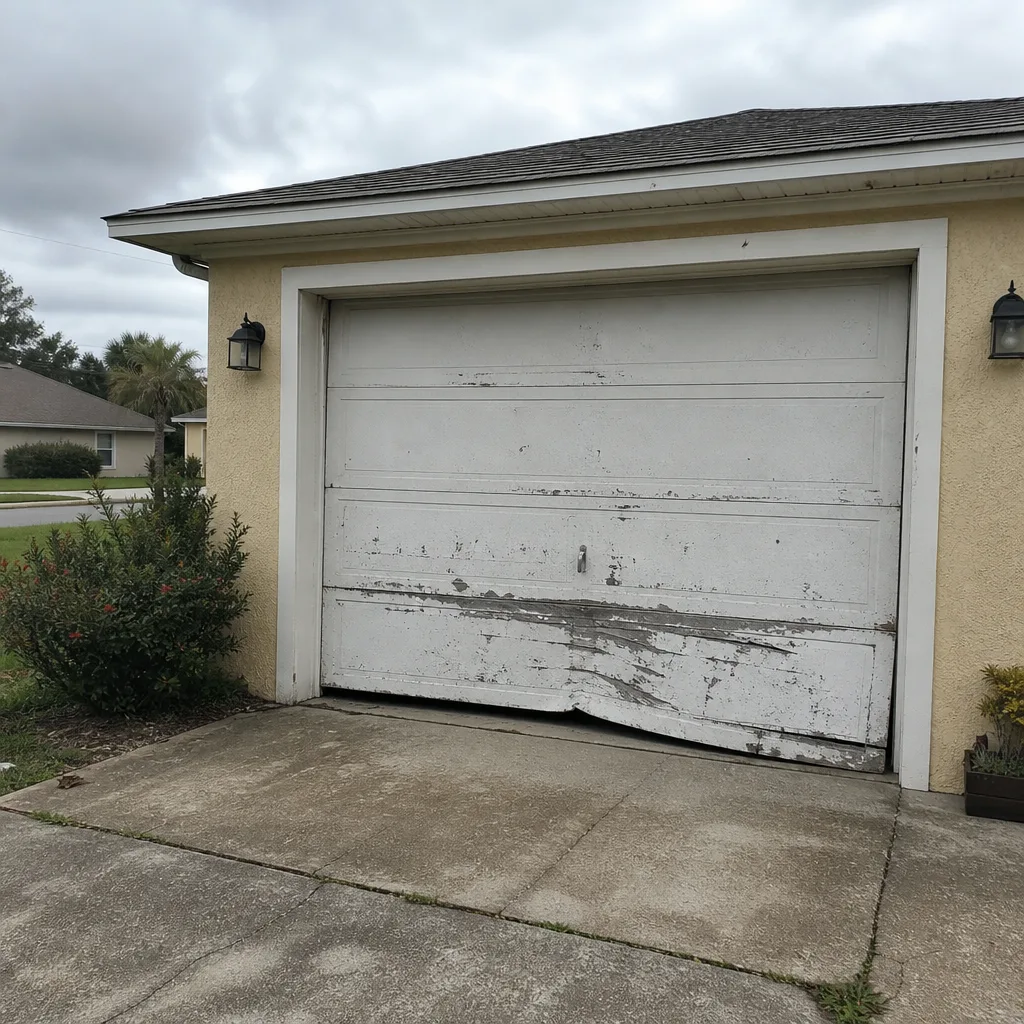 Before
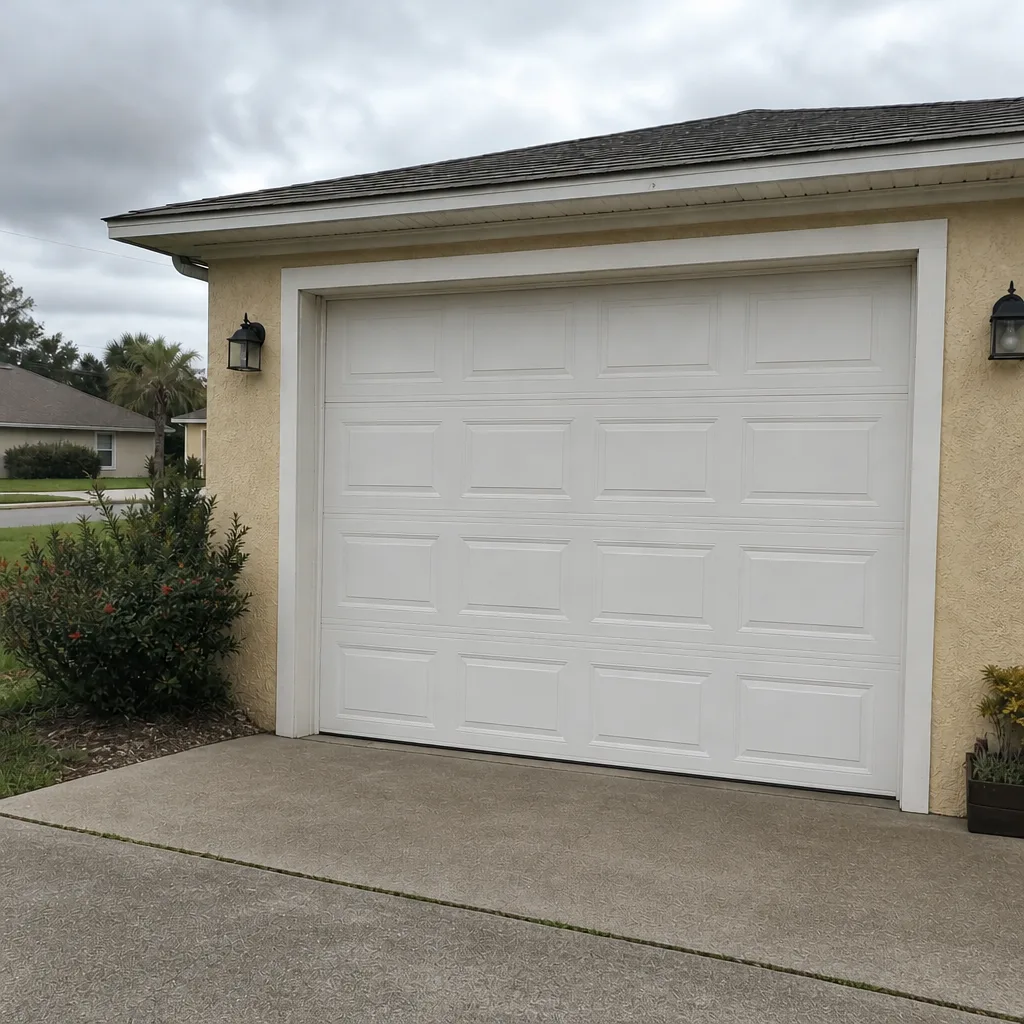 After
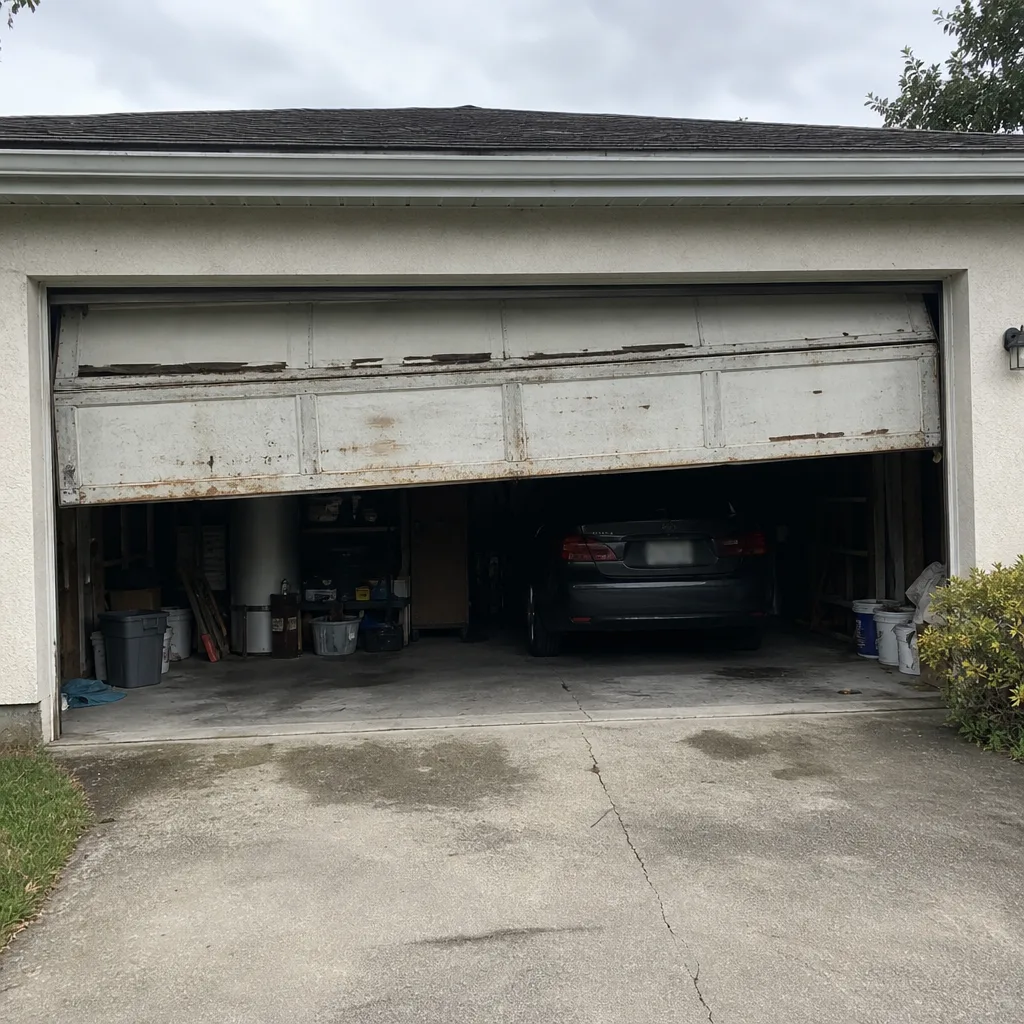 Before
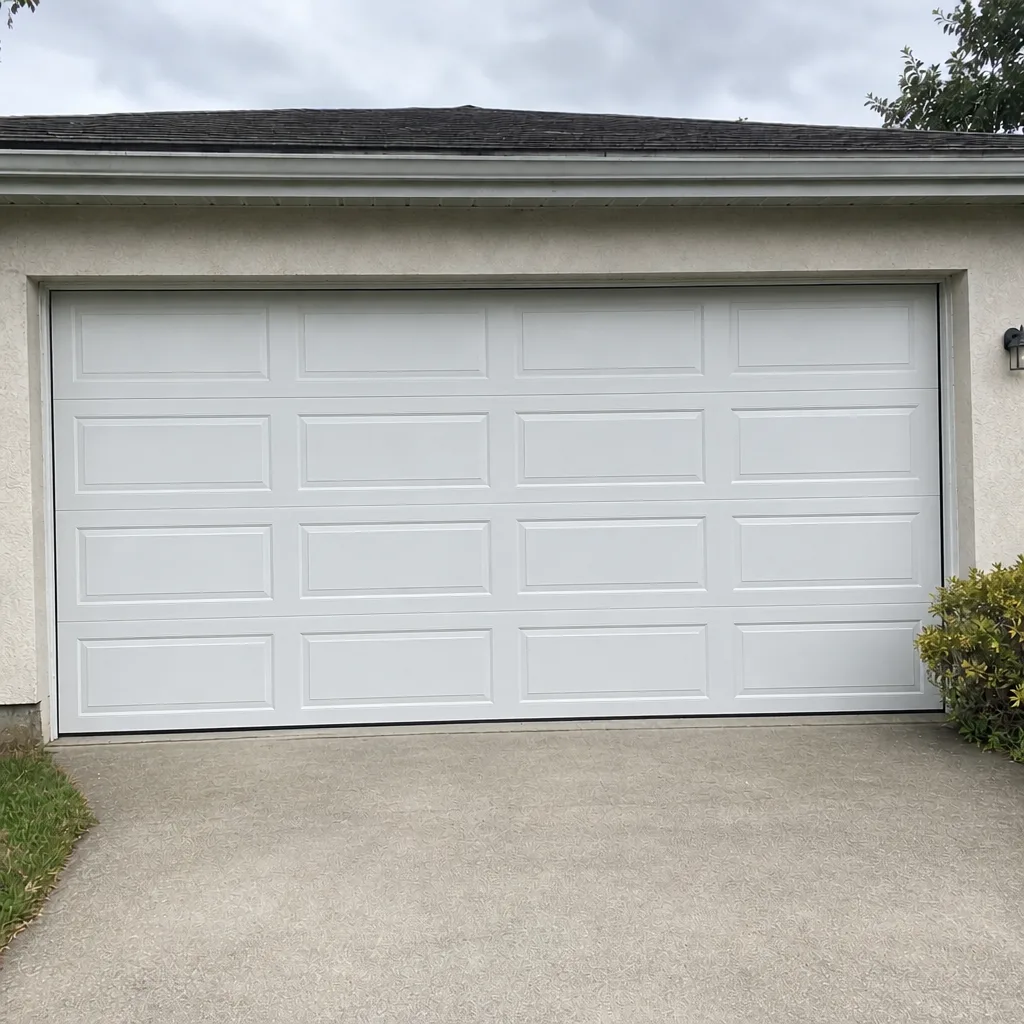 After
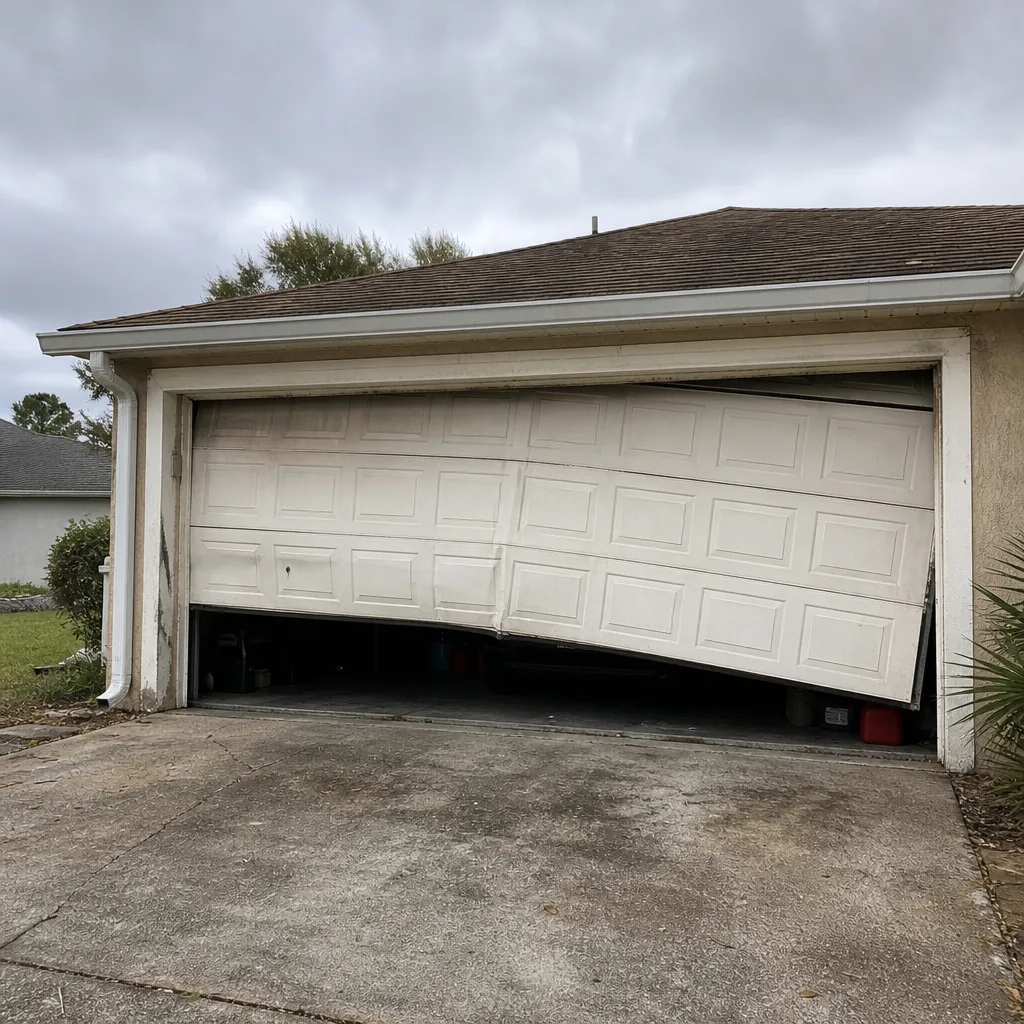 Before
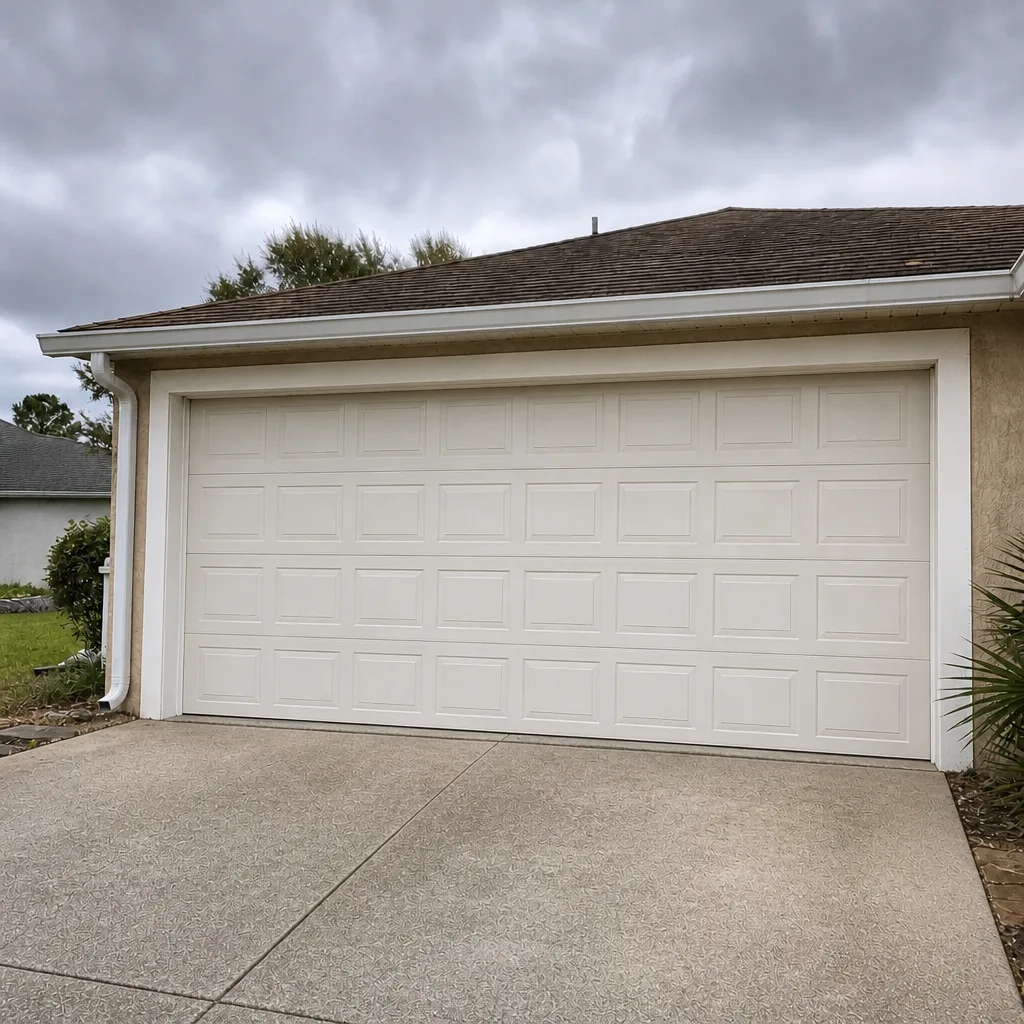 After
When to Call a Professional
Call for a professional when the door itself is involved: a broken spring, a door off its track, a dropped or crooked door, or an opener that runs but doesn’t move the door. Those are the situations where the door is unstable and a DIY fix can cause injury or more damage. If the door is stuck and your car is trapped, or a door is stuck open and your home is exposed, call for emergency service. Spring Hill Garage Door Repair Pros offers free estimates in Spring Hill and can help you decide what’s urgent and what can wait. Our technicians have up to 8 years of experience and know the major brands, so we show up understanding your system. When you’re ready, call (844) 443-4697.
Frequently Asked Questions
Yes, a broken spring should be treated as urgent, not routine. The door is too heavy for the opener to lift safely, and forcing it can bend the tracks or drop the door. Keep it closed, don’t run the opener, and call for same-day spring repair.
You can, but only if the spring is intact and you pull the emergency release with the door fully closed. If the door feels unusually heavy when you lift it, stop and lower it carefully. In a prolonged outage, plan around the manual release rather than relying on battery backup, which only covers a limited number of cycles.
Ideally you have both. A battery backup keeps the opener usable for a limited number of cycles during an outage, and the manual release is the fallback if the battery is depleted. Check whether your opener has a built-in backup or needs an add-on kit before storm season, not during it.
Check three things on a calm day: the rollers and hinges for wear or play, the vertical tracks for bends or loose fasteners, and the door’s balance and spring condition. If any one of those is off, the door is at higher risk under wind load. A technician can inspect all three and confirm what needs attention.
Your written estimate is the price we agree to before any work starts. On an emergency call, the technician assesses the door, explains what’s failed and what it takes to fix it, and gives you the figure before touching anything. If something unexpected turns up, you’ll hear about it before it’s done.
The local professionals we connect you with are licensed and insured as their state requires, and they work with the major brands, including LiftMaster, Chamberlain, Genie, Clopay, Amarr, Wayne Dalton, Craftsman, and Raynor. That means they arrive already familiar with your door and opener. Call (844) 443-4697 for an exact quote; estimates are free.
The Bottom Line
Garage door emergencies in Spring Hill come down to preparation and knowing what not to touch. If a spring breaks, keep the door closed, don’t force the opener, and don’t reach for the cables or spring. If the opener dies, pull the release only with the door down and the spring healthy. Before hurricane season, check your rollers, tracks, and door balance, and know whether your opener has battery backup. Match the right response to the situation, and a bad night stays a manageable one. When you need help, call on a specialist who knows your brand, quotes the price before the work, and gets you back up and running. For a free estimate, reach us at (844) 443-4697. You’ll find the full range of what we handle at Spring Hill Garage Door Repair Pros, and more detail on everyday fixes on our garage door repair page.
Written by the team at Spring Hill Garage Door Repair Pros.